If you’ve ever typed a sentence and paused fingers hovering wondering whether to write “people do” or “people does,” you’re in excellent company. This is one of the most searched grammar questions in the English language, and the confusion is completely understandable. English subject-verb agreement can feel inconsistent, especially when the rules shift so quickly between singular and plural forms.
Here’s the short answer: “People do” is always correct. “People does” is grammatically wrong.
But knowing what is right isn’t the same as knowing why and the “why” is what helps the rule stick. This guide breaks down everything: the grammar rule behind the choice, how verb conjugation works with “do,” tricky edge cases, real examples across different tenses, common mistakes to avoid, and memory tricks that make this second nature. Whether you’re a student, a professional writer, or someone who just wants to sound more confident in English, this guide covers it all.
What Does “People” Mean Grammatically?
Before we touch the verb, we need to understand the subject.
“People” is a plural noun. It refers to more than one person. In English, when we talk about a group of individuals, a community, a crowd, or a society we use the word “people.”
Here’s the key point: unlike many nouns in English that form their plural by adding an “-s” (e.g., cat → cats, book → books), “people” is already plural. It doesn’t need an “-s” to signal plurality. It’s what grammarians call an irregular plural noun, similar to “children” (not “childs”) or “teeth” (not “tooths”).
| Word | Singular Form | Plural Form |
| Person | person | people |
| Child | child | children |
| Tooth | tooth | teeth |
| Man | man | men |
Because “people” is plural, it must take a plural verb. And that’s precisely where “do” vs. “does” becomes important.
The Core Grammar Rule: Subject-Verb Agreement

Subject-verb agreement is the grammatical principle that says: the verb must match the subject in number.
- A singular subject takes a singular verb.
- A plural subject takes a plural verb.
This rule applies across all verb types, but it’s especially visible in the present simple tense, where the difference between “do” and “does” is clear.
How “Do” and “Does” Work
The verb “do” is one of the most common and most irregular verbs in English. Here’s how it conjugates in the present simple tense:
| Subject | Verb Form | Example |
| I | do | I do my homework. |
| You | do | You do a great job. |
| He / She / It | does | She does her best. |
| We | do | We do what we can. |
| They | do | They do the dishes. |
| People | do | People do amazing things. |
Notice that “does” is used only for third-person singular subjects: he, she, it and singular nouns like “the manager” or “a student.” “Do” is used for everything else, including all plural subjects.
Since “people” is plural, it falls into the “do” column. Always.
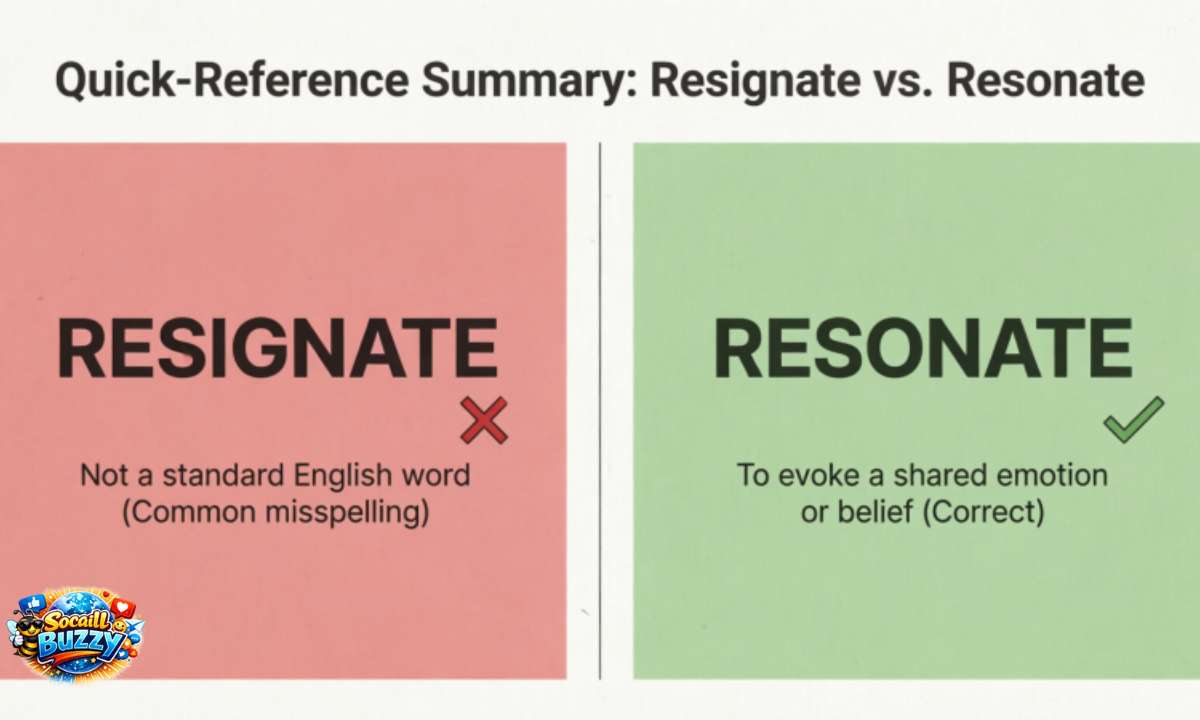
Click Here To Read Resignate or Resonate
People Do: Correct Usage With Examples
Let’s look at how “people do” works naturally in sentences across different contexts.
Everyday Statements
- People do incredible things when they work together.
- People do make mistakes; it’s part of being human.
- People do have different opinions, and that’s okay.
- People do tend to underestimate the value of sleep.
Questions
- Do people really enjoy working from home?
- Why do people choose fast food over healthy options?
- How do people learn a second language effectively?
Negatives
- People do not always say what they mean.
- People don’t often realize how their habits affect others.
- People do not change overnight.
Emphasis (Using “Do” as an Auxiliary)
One powerful function of “do” in English is emphatic use to stress a point or correct a misconception:
- “People do care about the environment, even if it doesn’t always show.”
- “I know you’re skeptical, but people do change.”
- “People do have the ability to make a difference.”
This emphatic form is always “do” with “people,” never “does.”
Why “People Does” Is Always Wrong
“People does” breaks the fundamental rule of subject-verb agreement. Because “people” is plural, pairing it with “does” which is a singular verb form creates a grammatical mismatch.
Incorrect vs. Correct: Side-by-Side Comparison
| ❌ Incorrect | ✅ Correct |
| People does make mistakes. | People do make mistakes. |
| People does not agree on everything. | People do not agree on everything. |
| Why does people behave this way? | Why do people behave this way? |
| People does enjoy a good story. | People do enjoy a good story. |
| What does people think about this? | What do people think about this? |
Read those incorrect sentences aloud. They sound jarring, don’t they? That’s your ear detecting a grammatical mismatch. English speakers naturally recognize when subject-verb agreement is off, even if they can’t always explain why.
Where the Confusion Comes From
If the rule is so clear, why do so many people get confused? There are a few logical reasons.
1. “Person” Is Singular, “People” Feels Similar
When we write or speak quickly, the brain sometimes links “people” back to “person” a singular noun and reaches for “does.” But they are completely different forms. “Person” = one. “People” = many.
2. Third-Person Singular Habits
Learners spend a lot of time practicing third-person singular rules: he does, she does, it does. These patterns become deeply ingrained. Then when a word like “people” arrives which doesn’t end in “-s” and doesn’t “look” plural the brain defaults to “does.”
3. Collective Noun Confusion
Words like “team,” “group,” “family,” and “committee” can take either singular or plural verbs depending on context (especially in British vs. American English). This ambiguity can bleed into how learners think about “people,” even though “people” is strictly plural with no such flexibility in standard usage.
4. Informal Speech and Dialects
In very casual spoken English, or in certain regional dialects, grammatical rules sometimes bend. A learner exposed to non-standard speech patterns may occasionally hear “people does” and mistakenly absorb it as acceptable. In formal writing, speech, academic contexts, and professional settings, it is never correct.
“People Do” Across Different Tenses
The do/does distinction only applies in the present simple tense. Here’s how “people” works across all major tenses:
| Tense | Correct Form | Example |
| Present Simple | people do | People do their best. |
| Present Continuous | people are | People are adapting quickly. |
| Present Perfect | people have | People have learned from this. |
| Past Simple | people did | People did what they could. |
| Past Continuous | people were | People were hoping for change. |
| Future (will) | people will | People will find a way. |
| Future (going to) | people are going to | People are going to understand. |
| Conditional | people would | People would help if they could. |
Notice that in past tense, both “do” and “does” become “did” so the singular/plural distinction disappears. The confusion is specific to the present simple tense, where the third-person singular “-s” rule is active.
Special Cases and Tricky Sentences
“A Person Does” vs. “People Do”
This pairing is one of the most instructive contrasts in English grammar:
- A person does what they think is right.
- People do what they think is right.
Here, “a person” is singular → “does.” “People” is plural → “do.” The meaning is similar, but the verb changes based on whether you’re talking about one individual or a group.
“Some People Do” and “Many People Do”
Quantifiers like “some,” “many,” “most,” and “all” don’t change the rule. They describe quantity, but the noun “people” remains plural:
- Some people do prefer quieter environments.
- Many people struggle with time management.
- Most people do want to be understood.
- All people do deserve basic respect.
“People Who Do” Relative Clauses
When “people” is followed by a relative clause, the verb in that clause should also be plural:
- ✅ People who do good work deserve recognition.
- ❌ People who does good work deserve recognition.
The relative pronoun “who” refers back to “people,” so the verb must agree with the plural antecedent.
“The People Do” vs. “The People Does”
Adding the definite article “the” doesn’t change anything:
- ✅ The people do have a voice in this decision.
- ❌ The people does have a voice in this decision.
“Persons” vs. “People”: Is There a Difference?
Yes, and it’s worth knowing. While both “people” and “persons” are plurals of “person,” they’re used in slightly different contexts:
- “People” is the standard, everyday plural. It’s used in almost all conversational and written contexts. (People are waiting outside.)
- “Persons” is more formal or legal. It’s used in specific, often official contexts. (Three persons were identified in the report.)
Both take plural verbs:
- People do the right thing.
- Persons do have rights under this statute.
Neither ever uses “does.”
Memory Tricks to Never Forget This Rule
Struggling to remember? Use these techniques:
The “They” Test
Replace “people” with “they” and see what sounds right:
- They do their best. ✅
- They do their best. ❌
Since “they do” sounds right, “people do” must also be right.
The Plural Pattern
People = more than one person. More than one = plural. Plural = “do.”
Build that chain of logic:
People → Many → Plural → Do
Say It Out Loud
Read both versions aloud:
- “People do enjoy music.”
- “People do enjoy music.”
Your ear will tell you instantly which is right. “People does” sounds awkward and stilted. “People do” flows naturally.
The “-ple” Rule (A Fun Mnemonic)
“People” ends in “-ple.” That “-ple” has multiple letters just like “people” represents multiple people. Multiple = plural = “do.”
Common Errors in Related Grammar Areas
Understanding the “people do” rule opens a door to broader subject-verb agreement clarity. Here are related areas where similar mistakes often occur:
Collective Nouns
Words like “team,” “committee,” “group,” and “staff” are singular in American English and usually take singular verbs:
- The team is ready. ✅ (American English)
- The team is ready. ✅ (British English)
This is different from “people,” which is always plural.
Indefinite Pronouns That Fool People
These pronouns sound plural but take singular verbs:
| Pronoun | Correct Verb |
| Everyone | Everyone does their part. |
| Nobody | Nobody does it better. |
| Someone | Someone does need to act. |
| Everybody | Everybody does something. |
This is a common trap: “everyone” refers to multiple people but is grammatically singular.
“A Number of” vs. “The Number of”
- A number of people do find this confusing. (plural meaning → plural verb)
- The number of people does not affect the rule. (singular reference → singular verb)
Quick Practice Quiz
Test yourself. Choose the correct verb:
- People ___ (do/does) make history every day.
- Why ___ (do/does) people choose unhealthy habits?
- People ___ (do/does) not always realize their potential.
- Many people ___ (do/does) support environmental causes.
- Someone ___ (do/does) need to take responsibility.
Answers: 1. do | 2. do | 3. do | 4. do | 5. does
Why Getting This Right Matters
Grammar mistakes aren’t just about “being correct” in some abstract sense. They have real consequences:
- Professional credibility: Emails, reports, and presentations with grammar errors can undermine how a reader perceives your expertise.
- Academic performance: Grammar errors in essays and exams cost marks.
- Clear communication: Grammatically sound sentences are easier to read and understand.
- Native-like fluency: For ESL learners, mastering subject-verb agreement is a major step toward natural, confident English.
As grammarians and writing coaches often emphasize, even one small verb mismatch can shift a reader’s attention from your ideas to your errors. Getting “people do” right is a simple, learnable fix with real impact.
Frequently Asked Questions
Q: Is “people do” or “people does” correct?
“People do” is always correct. “People” is a plural noun and requires a plural verb.
Q: Why do people confuse “do” and “does”?
Because “people” doesn’t end in “-s,” learners sometimes treat it as singular. It is, however, always plural.
Q: Can “people does” ever be correct?
No. In standard English spoken, written, formal, or informal “people does” is always grammatically incorrect.
Q: What is the rule for “do” vs. “does”?
Use “does” with singular third-person subjects (he, she, it, one person). Use “do” with all other subjects, including plural nouns like “people.”
Q: What about “a group of people does” vs. “a group of people do”?
In American English, “a group” is the subject singular so “a group of people does” is technically correct. In British English, collective nouns can take plural verbs: “a group of people do.”
Q: How do I remember this rule?
Replace “people” with “they.” If “they do” sounds right and it always does then “people do” is correct.
Q: Does the rule change in the past tense?
No. In the past tense, both singular and plural subjects use “did,” so there’s no do/does confusion: People did their best.
Q: Is “peoples” a word?
Yes, but rarely used. “Peoples” refers to distinct ethnic or cultural groups: The peoples of the world share many common values. It also takes a plural verb.
Q: What about “most people do” or “all people do”?
Quantifiers like “most,” “all,” “many,” and “some” don’t change the rule. The noun “people” remains plural, so the verb is still “do.”
Q: Is “People does” used in any dialect?
It may appear in some informal or regional speech, but it is non-standard and should not be used in writing, exams, or professional communication.
Conclusion
The answer to “people do or people does” is clear and consistent: always use “people do.” The rule flows directly from one of English grammar’s most fundamental principles: subject-verb agreement. Because “people” is an inherently plural noun, it demands a plural verb, and “do” is the correct plural form in the present simple tense.
What makes this rule powerful is that once you understand it, it applies instantly to every sentence you write or speak. There are no exceptions, no special cases, no British-vs.-American ambiguity. People do. Full stop.
Use the “they test,” build the logic chain, read your sentences aloud, and practice with the examples in this guide. With a little repetition, “people do” stops feeling like a grammar rule you have to remember and starts feeling like something you simply know the way fluent speakers do.
Grammar is a tool. The sharper it is, the better your communication becomes. And now, at least for this particular question, your tool is razor-sharp.

Welcome to SocaillBuzzy! I’m the creator and writer behind this platform, dedicated to sharing meaningful content including grammar, meaning, quotes, and inspirational messages for everyday life. Through well-crafted, SEO-friendly content, I aim to spread positivity, strengthen connections, and make it easier for readers to express their emotions with clarity and warmth.