If you have scrolled through TikTok, Instagram, or a group chat lately, you have probably seen someone type “no cap” or “that’s cap” and wondered what it actually means. It is not about hats, and it is not random internet noise either. It is one of the most widely used slang terms in English right now, and it has real staying power heading into 2026.
This guide breaks down the full meaning of cap, where it came from, how people use it today, and how the term has shifted with newer trends like AI generated content and Gen Alpha slang. No fluff, just a clear explanation you can actually use.
Quick Definition: What Does Cap Mean
Cap is slang for a lie, an exaggeration, or something that is not true. When someone says “that’s cap,” they mean a statement is false. When someone says “no cap,” they mean they are telling the truth, with no lie attached. The phrase works as a verbal stamp of honesty or a call out of dishonesty, depending on how it is used.
Where Does the Word Cap Come From
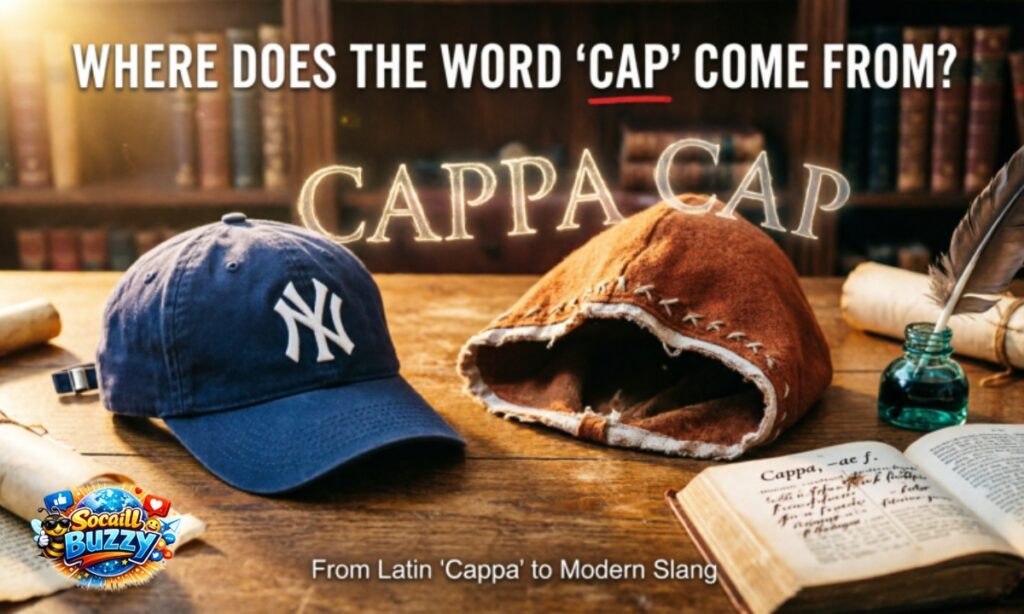
The slang meaning of cap did not appear overnight. It has roots that stretch back much further than most people assume.
Cap comes from African American Vernacular English, where it was originally tied to bragging or “talking big.” Over decades, the meaning shifted from boasting to lying or exaggerating in general. Linguists have traced early versions of the phrase, including “high cap” and “high cappin,” back to song lyrics from the 1980s and even further to a wordplay tradition sometimes called capping, where people traded exaggerated insults for fun.
Hip hop culture carried the term forward for years before it crossed into mainstream use. A major turning point came in 2017, when Atlanta rappers helped push “no cap” into wider pop culture through their music. From there, the phrase spread across social media platforms, memes, and everyday conversation, especially among teens and young adults.
By the early 2020s, cap and no cap were fully mainstream, showing up in ads, TV shows, and casual conversation well outside of the communities where the phrase started.
Read Now : GYATT Meaning in Text
Cap vs No Cap: What Is the Difference
People often mix these up at first, so here is a simple side by side breakdown.
| Term | Meaning | Example |
| Cap | A lie, exaggeration, or false claim | “He said he ran a marathon in two hours, that’s cap.” |
| No cap | Telling the truth, no exaggeration | “This is the best coffee in town, no cap.” |
| Capping | The act of lying or exaggerating | “Stop capping, you weren’t even there.” |
| Deadass (related term) | Being completely serious | “I finished the whole project in one night, deadass.” |
| Fr fr (related term) | For real, for real, used for emphasis | “That movie made me cry, fr fr.” |
The short version: cap flags something false, and no cap confirms something is true.
How to Use Cap and No Cap in a Sentence
Once you understand the basic meaning, using it naturally is easy. Here are common patterns people use in real conversation.
- To call out a lie: “You didn’t actually meet him, that’s cap.”
- To confirm something is true: “This is the best burger I’ve had all year, no cap.”
- To question honesty: “Wait, are you capping right now?”
- To describe someone who lies often: “He’s such a capper.”
- To add sincerity to a statement: “No cap, that test was brutal.”
Notice that cap almost always pairs with “that’s,” while no cap usually sits at the start or end of a sentence for emphasis.
Cap Meaning in Different Contexts
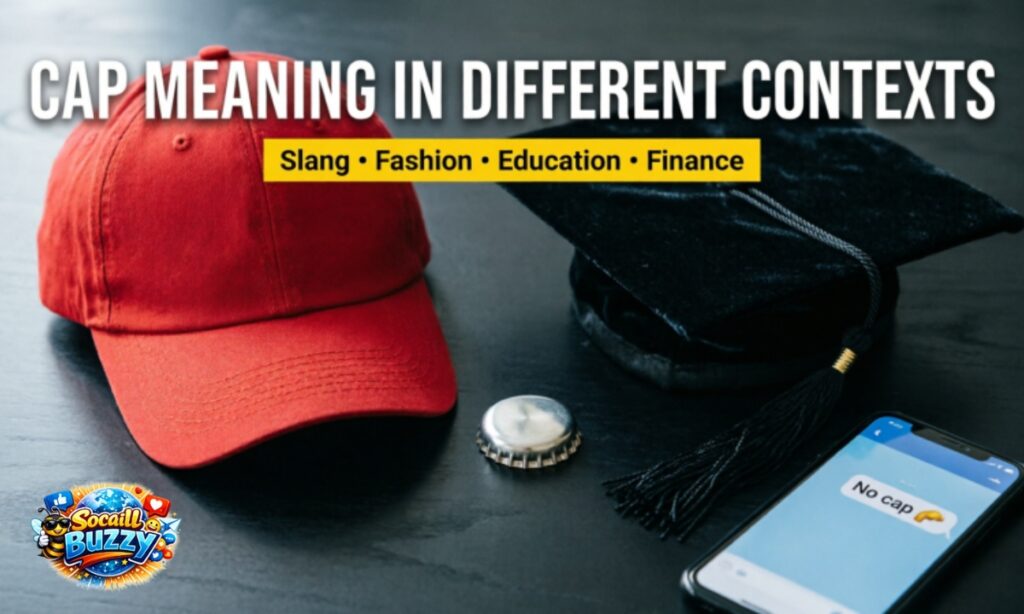
Slang is not the only place you will run into the word cap, and mixing these up can cause confusion, especially for non-native English speakers or parents trying to keep up with their kids’ texting.
| Context | Meaning of Cap |
| Internet and Gen Z slang | A lie or exaggeration |
| Everyday object | A lid or covering, like a bottle cap |
| Clothing | A type of hat, usually with a brim |
| Finance | A limit, such as a salary cap or spending cap |
| Investing | Market cap, short for market capitalization |
| Sports | A cap can mean a player’s appearance for a national team |
| Firearms slang (older use) | A bullet or cartridge, as in “popping a cap” |
Context is everything here. If a teenager says “that’s cap” during a conversation about a story, they mean it is false. If a financial analyst mentions a “spending cap,” that is a completely different meaning tied to limits, not lies.
Cap in 2026: What Has Changed
Slang moves fast, and cap has kept evolving instead of fading out. A few shifts worth knowing about heading into 2026:
- AI generated content callouts. People increasingly use “cap” to question whether a video, image, or claim online was made or exaggerated using AI tools, not just whether a person is lying in conversation.
- Gen Alpha crossover. Younger users have started blending cap with newer slang like “skibidi” and “gyat,” often mixing multiple trending terms in one sentence, which has kept cap relevant instead of replacing it.
- Brand and workplace usage. More companies and even some professional creators use “no cap” in marketing copy to signal authenticity, especially in product reviews and honest comparison content.
- Voice assistants and chatbots. Because slang term recognition has improved, search engines and AI assistants now understand and correctly define terms like cap when users ask directly, which is part of why featured answers and quick definitions matter more than long explanations.
- Continued use in gaming and streaming. Cap remains one of the most used words in gaming chat and livestream comment sections, often paired with emojis instead of full sentences.
The bottom line is that cap has moved past being a passing trend. It behaves more like an established piece of informal English at this point, similar to how “for real” or “no joke” became normal decades ago.
Read Now: TSTS Meaning in Text
Words Related to Cap
If you are trying to fully understand internet slang, these terms often show up alongside cap and no cap:
- Capping, meaning the act of lying
- Capper, meaning someone who lies often
- Hard cap, meaning an absolute limit in gaming or finance
- Fr fr, meaning for real, for real
- Deadass, meaning completely serious
- On god, meaning swearing something is true
- Say less, meaning agreement without needing more explanation
Learning these together makes it easier to follow fast paced conversations online.
Is Cap Still Relevant in 2026
Yes. Unlike many slang words that disappear within a year or two, cap has held steady for close to a decade in mainstream use. It shows up across platforms, age groups, and even professional marketing, which is unusual for internet slang. Language researchers generally agree that terms with this much staying power and this wide a usage base tend to stick around rather than fade out quickly.
Frequently Asked Questions
What does cap mean in text messages?
In texting, cap means a lie or exaggeration. If a friend texts “that’s cap,” they are saying they do not believe what you just said.
What does no cap mean?
No cap means someone is telling the truth. It is used to add sincerity or emphasis to a statement, similar to saying “I’m serious” or “for real.”
Is cap a Gen Z word only?
Cap started in African American Vernacular English and hip hop culture long before Gen Z adopted it. Gen Z popularized it on social media, but it is not exclusive to any one generation anymore.
What is the opposite of no cap?
The opposite of no cap is simply cap, which flags a statement as false or exaggerated.
Does cap mean the same thing as lying?
Mostly yes, but cap can also mean exaggerating or bragging, not only outright lying. Someone might say “that’s cap” even about a stretched truth rather than a full lie.
Can cap be used in professional writing?
It is best kept in casual or informal writing, such as social captions, texts, or conversational content aimed at younger audiences. It is not suited for formal business or academic writing.
Conclusion
Cap means a lie or exaggeration, and no cap means the truth. The word has roots in African American Vernacular English, grew through hip hop culture, and became a fixture of everyday online language over the past decade.
Heading into 2026, it shows no signs of slowing down, especially as people use it to question AI generated content and blend it with newer slang trends. Once you know the basic rule, cap for a lie and no cap for the truth, you can follow almost any conversation where the term shows up.

Welcome to SocaillBuzzy! I’m the creator and writer behind this platform, dedicated to sharing meaningful content including grammar, meaning, quotes, and inspirational messages for everyday life. Through well-crafted, SEO-friendly content, I aim to spread positivity, strengthen connections, and make it easier for readers to express their emotions with clarity and warmth.