
If you have scrolled through TikTok, Instagram, or a Discord server lately, chances are you have seen someone type “GYATT” in all caps, usually followed by a few emojis. Maybe it showed up in a comment section. Maybe a friend sent it to you and you had no idea what to say back.
You are not alone. GYATT is one of those words that spread so fast across social media that most parents, teachers, and even some older Gen Z users got left behind. It looks random, it sounds random, but it actually has a fairly consistent meaning once you understand where it came from and how people use it today.
This guide breaks down the real gyatt meaning in text, where the word started, how it is used in 2026, and how to respond if someone sends it to you.
Quick Answer: What Does GYATT Mean?

GYATT is internet slang used as an exaggerated reaction of shock, excitement, or admiration, most often aimed at someone’s attractive appearance or a curvy figure. It works like a louder, more dramatic version of “wow” or “damn,” and it comes from a stretched-out pronunciation of “God damn.” In text, it is almost always written in capital letters to show strong emotion.
Click Here To Read : TSTS Meaning in Text
Where Did GYATT Come From
GYATT did not appear out of nowhere. Slang like this usually travels through a few stages before it becomes mainstream, and gyatt followed that same path.
Its roots trace back to gaming and livestream culture, particularly Twitch and YouTube. Streamers reacting to something surprising or impressive would let out an exaggerated “gyah” or “gyatt” sound, similar to shouting “god damn” but chopped down into one quick burst. Viewers picked it up in chat, then it spread into clips, then into TikTok captions and comment sections.
By around 2023, gyatt had crossed over from niche gaming forums into mainstream Gen Z and Gen Alpha slang. Middle schoolers and teens started using it constantly, both online and in person, often shouting it as a joke or a reaction to something eye-catching on their phones.
In 2026, the word is still very active, though its usage has broadened. It is no longer limited to gaming clips. You will find it in fashion videos, sports highlights, food content, and general reaction posts.
Is GYATT a Real Word
No, gyatt is not a dictionary word and it has no official definition. It is a phonetic slang expression, meaning it exists because of how it sounds rather than because it is built from real vocabulary. Think of it in the same family as “sheesh,” “dayum,” or “yoink.” These words spread because they are fun to say out loud, not because they carry deep linguistic meaning.
How GYATT Is Used in Text and Chat
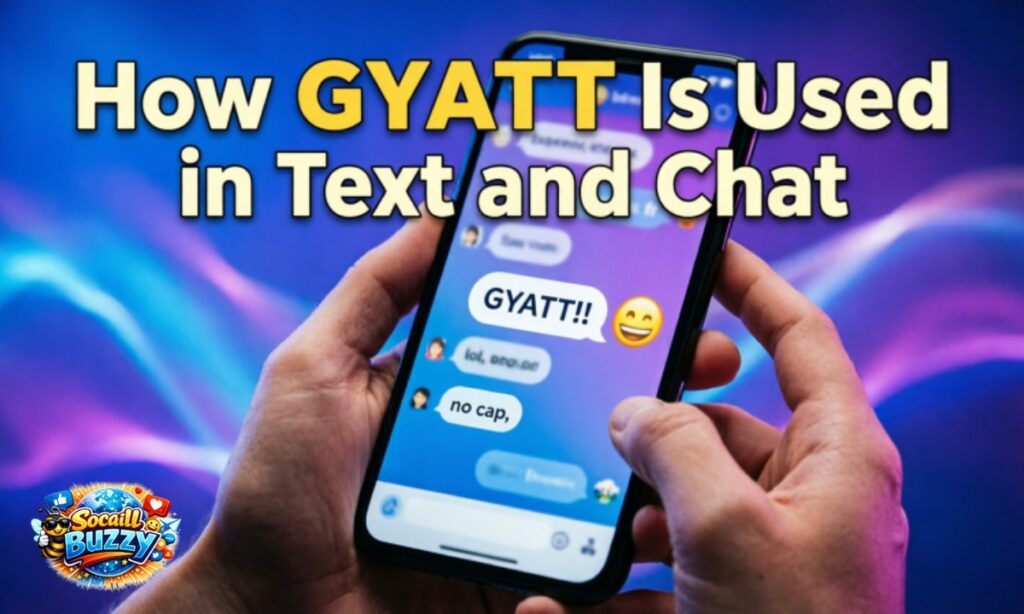
Context changes everything with this word. Below is a simple breakdown of how gyatt typically shows up across different platforms.
| Platform | Common Use | Typical Tone |
| TikTok comments | Reacting to a video, dance, or outfit | Playful, exaggerated |
| Instagram captions | Hyping up a photo or post | Confident, joking |
| Twitch and YouTube chat | Reacting live to a stream moment | Excited, fast-paced |
| Discord servers | Teasing a friend or reacting to a meme | Casual, sarcastic |
| Group texts | Reacting to a photo someone sent | Flirty or joking, depending on the group |
Notice that the tone shifts depending on where it is used. Among close friends, gyatt is almost always a joke. In public comment sections, it leans more toward genuine admiration or shock.
Click Here To Read : YFM Meaning in Text
GYATT Meaning by Context
Since gyatt does not have one fixed definition, the meaning depends heavily on how and where it is used. Here are the most common ways people use it in 2026.
- As a shocked reaction – someone sees something unexpected, like a wild play in a video game or a dramatic plot twist in a show
- As a compliment on appearance – most commonly aimed at someone’s figure, especially the backside
- As a joke among friends – typed sarcastically to tease someone, without any real meaning behind it
- As a hype word – used to celebrate an outfit, a glow up, or an impressive achievement
- As pure exclamation – some younger users now say it the way people say “oh my god,” with almost no connection to appearance at all
This last point matters for 2026 specifically. The word has drifted from its original meaning enough that plenty of kids now use it as a generic exclamation of surprise, similar to how “sheesh” eventually lost most of its specific meaning too.
Is GYATT Offensive or Rude?
This is the question most people actually want answered, especially parents and teachers trying to understand what their kids are saying.
Gyatt is not automatically rude. Most of the time it is casual slang, similar to shouting “wow” or “damn.” That said, context and delivery matter a lot.
It can feel inappropriate when:
- It is used to comment on a stranger’s body without their knowledge or consent
- It is shouted at someone in person as a way to catcall or objectify them
- It is used repeatedly to make someone feel uncomfortable about their appearance
It is usually harmless when:
- Friends use it jokingly with each other
- It reacts to a video, meme, or general content rather than a real person
- It is used as a general exclamation with no reference to appearance at all
If you are unsure how to take it, look at who sent it and what they were reacting to. A friend typing gyatt under a funny video is very different from a stranger commenting it on someone’s personal photo.
GYATT vs Similar Slang Words
Gyatt did not appear in isolation. It belongs to a small family of reaction words that all serve a similar purpose: expressing shock or admiration quickly and loudly.
| Word | Meaning | Common Use |
| Gyatt | Exaggerated shock or admiration, often about appearance | TikTok, Twitch, group chats |
| Sheesh | General excitement or disbelief | Sports clips, gaming reactions |
| Rizz | Charisma or flirting skill | Describing someone’s charm |
| Dayum | Classic exaggerated surprise | Older, still widely used |
| Bussin | Something is really good, often food | Food reviews, casual chat |
| No cap | No lie, being serious | Confirming honesty |
Understanding these related terms helps put gyatt in context. It is part of a broader wave of short, loud, reaction based slang that Gen Z and Gen Alpha use to communicate quickly online.
How to Reply When Someone Says GYATT to You
If someone sends you gyatt in a text or comment and you are not sure how to respond, here are a few natural options depending on the vibe.
- Keep it light – reply with a laughing emoji or a simple “lol stop”
- Play along – respond with another slang reaction like “fr” or “sheesh” to match the energy
- Ask directly – if you genuinely do not understand why they said it, just ask what they meant
- Ignore it – completely acceptable if the comment feels out of place or unwanted
There is no wrong way to respond as long as it matches how comfortable you feel with the message.
What Is New About GYATT in 2026

Slang moves fast, and gyatt has shifted in a few noticeable ways heading into 2026 that older explainer articles have not fully caught up with.
- Wider, less specific use. The word is increasingly used as a general exclamation rather than something tied only to appearance. Reaction videos about sports plays, unexpected news, or dramatic moments now use gyatt almost interchangeably with “whoa.”
- Crossover into brand and creator marketing. Some creators and even small brands have started using gyatt intentionally in captions to boost engagement with younger audiences, since algorithms tend to favor trending slang terms.
- Generational split in meaning. Gen Alpha, particularly middle and early high schoolers, now treat gyatt almost like a filler word, while older Gen Z tends to still use it closer to its original, more appearance-focused meaning.
- Search interest signals staying power. Unlike a lot of short lived meme slang, gyatt has held steady search interest for multiple years running, which suggests it is settling into internet vocabulary rather than fading out like a one season trend.
This kind of drift is normal for internet slang. Words rarely keep one fixed meaning forever, and gyatt is a clear example of that process happening in real time.
Does GYATT Mean Something Different on TikTok vs Twitch
Not fundamentally, but the tone shifts slightly. On TikTok, gyatt tends to appear in comments reacting to appearance, dance videos, or outfits. On Twitch, it more often reacts to gameplay moments, funny clips, or unexpected stream events, closer to its gaming origin.
Is GYATT Only Used by Teenagers
Mostly, yes. It is most common among Gen Z and Gen Alpha, roughly ages 10 to 24. Older users sometimes use it ironically or when quoting their kids, but it is not common slang outside younger internet communities.
Should I Use GYATT in Professional Communication
No. Gyatt is strictly casual internet slang. It does not belong in emails, workplace chats, resumes, or any formal writing.
Can GYATT Be Used as a Compliment
Yes, in casual settings it often functions as an exaggerated compliment about someone’s appearance. It should still be used carefully, since not everyone appreciates comments about their body, even when meant kindly.
Final Thoughts
Gyatt is a loud, playful piece of internet slang that started in gaming and streaming culture and grew into one of the most recognizable reaction words among younger internet users. It usually signals shock, excitement, or admiration, most often tied to appearance, though its meaning keeps loosening into a general exclamation the more it spreads.
If you see it in your comments or texts, context is your best guide. Look at who sent it, what they were reacting to, and the tone of the conversation before deciding how to feel about it. Slang like this tends to shift fast, so do not be surprised if gyatt sounds a little different by this time next year.

Welcome to SocaillBuzzy! I’m the creator and writer behind this platform, dedicated to sharing meaningful content including grammar, meaning, quotes, and inspirational messages for everyday life. Through well-crafted, SEO-friendly content, I aim to spread positivity, strengthen connections, and make it easier for readers to express their emotions with clarity and warmth.