You probably say one of these phrases every single day. Someone holds the door. A coworker sends you a file. A friend listens when you need to vent. And without much thought, you respond with something like “I appreciate it” or “I appreciated it.”
But here’s the thing: those two phrases are not interchangeable. Mix them up in an email to your boss, and something feels slightly off. Use the wrong one in a thank-you note, and your tone shifts in ways you did not intend.
The good news? The difference is simple once you understand verb tense, timing, and tone. This guide breaks down everything from grammar structure to real-world examples, professional usage, and common mistakes so you always pick the right phrase with confidence.
What Is the Core Difference Between “Appreciate It” and “Appreciated It”?
The shortest answer: tense.
- “Appreciate it” is the present tense. It expresses gratitude for something happening right now or in the near future.
- “Appreciated it” is past tense. It reflects gratitude for something that already happened.
That one letter the “d” moves your entire message backward in time. And that shift matters more than most people realize, especially in professional writing, formal emails, and everyday spoken English.
| Feature | Appreciate It | Appreciated It |
| Verb tense | Present simple | Past simple |
| Time reference | Now or future | Past / completed action |
| Tone | Immediate, warm, casual | Reflective, formal, thoughtful |
| Common setting | Conversations, quick emails | Thank-you notes, follow-ups |
| Example | “Thanks for the help. I appreciate it.” | “I appreciated it when you covered for me last week.” |
Understanding “Appreciate It” (Present Tense)
What It Means
When you say “I appreciate it,” you are expressing gratitude for something that is happening now, just happened moments ago, or is about to happen. The feeling is live and active.
Think of it like a spotlight you are shining it directly on the present moment.
Common Ways to Use It
1. After someone helps you right now
Your coworker walks over and explains something you were stuck on. You say:
“Thanks, I really appreciate it.”
2. When politely asking for help
You are requesting a favor and signaling upfront that you will be grateful:
“If you could send those files by Thursday, I would appreciate it.”
3. In casual conversation
Someone passes you the coffee. Someone holds the elevator. You say:
“Appreciate it.”
Native speakers drop the “I” all the time in relaxed conversation. It sounds natural, friendly, and direct.
4. When acknowledging ongoing behavior
“I always appreciate it when you keep me in the loop.”
Here, “appreciate it” describes something that happens regularly, a habit you are thankful for on an ongoing basis.
Key Signals That “Appreciate It” Is the Right Choice
- The action is happening right now
- You are requesting future help and expressing pre-emptive gratitude
- The tone is casual or conversational
- You want something short, warm, and immediate
Real-World Examples
- “Thanks for picking that up I appreciate it.”
- “I appreciate it when people are upfront with me.”
- “Let me know when you finish. I’d appreciate it.”
- “You didn’t have to do that, but I appreciate it.”
- “Appreciate it, you saved me a lot of time.”
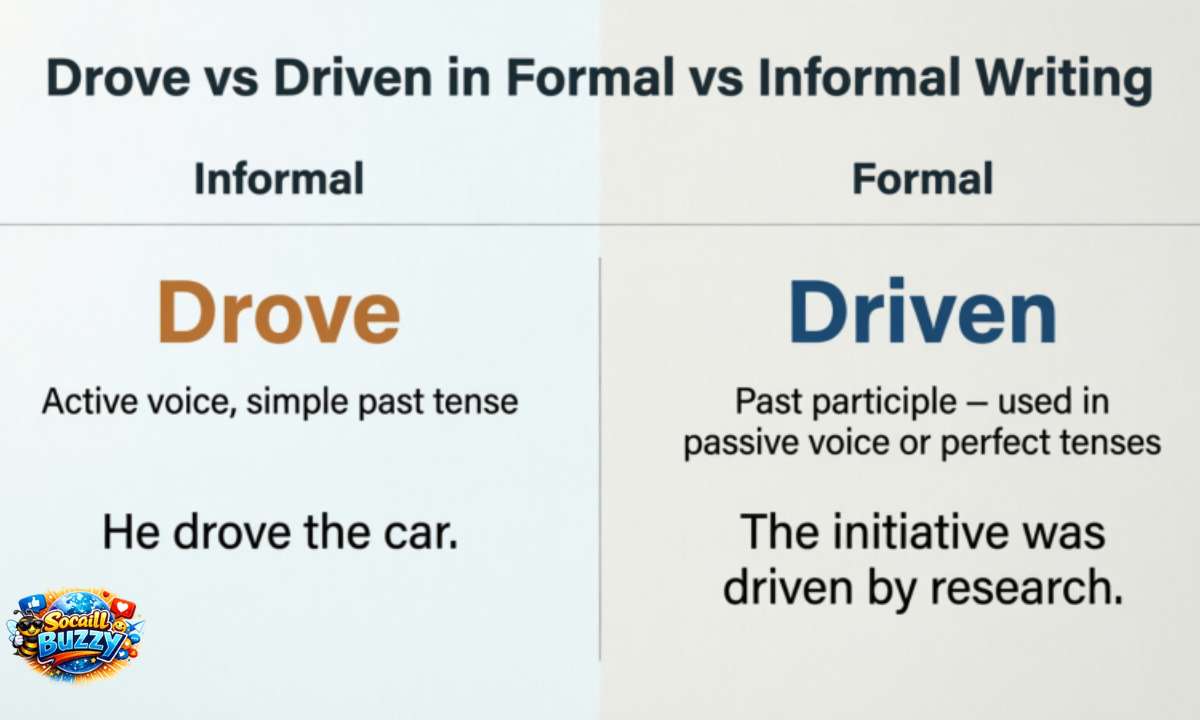
Click Here To Read Drove vs Driven
Understanding “Appreciated It” (Past Tense)
What It Means
“I appreciated it” tells someone you were grateful for something that already happened. The moment of kindness is complete. You are looking back at it.
This phrase carries a different weight. It feels more deliberate, like you took time to reflect before speaking. That quality makes it especially powerful in formal settings, thank-you notes, and follow-up messages.
Common Ways to Use It
1. Reflecting on a past favor
A colleague covered your shift last week. You run into them later:
“I appreciated it when you stepped in for me seriously, it made a huge difference.”
2. Writing thank-you notes or follow-up emails
After a job interview, a mentorship session, or a business lunch:
“I appreciated the time you took to walk me through the process.”
3. Acknowledging past support in storytelling or writing
“During that project, I really appreciated it when the team stayed late without being asked.”
4. Formal or professional acknowledgment
“I appreciated your patience while we worked through the issue.”
Key Signals That “Appreciated It” Is the Right Choice
- The action already happened and is fully complete
- You are writing or speaking after the fact
- You want a formal, reflective, or professional tone
- The context involves emails, letters, or storytelling
Real-World Examples
- “I appreciated it when you checked in on me during that difficult time.”
- “She appreciated it when her manager recognized her work publicly.”
- “I appreciated it when you went out of your way and it didn’t go unnoticed.”
- “He mentioned he appreciated it when the team communicated changes early.”
Side-by-Side Comparison: Appreciate It vs Appreciated It
Here is a quick-reference table that shows both phrases in the same situation, so you can feel the difference in tone:
| Situation | Appreciate It (Present) | Appreciated It (Past) |
| Someone helped you move furniture | “Thanks, I really appreciate it.” | “I appreciated it more than I said at the time.” |
| A friend listened to you vent | “I appreciate it when you just listen without judging.” | “I appreciated it when you called to check in last night.” |
| A colleague sent a helpful document | “Appreciate it this is exactly what I needed.” | “I appreciated the document you sent it cleared things up.” |
| A manager gave useful feedback | “I appreciate it when feedback is this specific.” | “I appreciated the feedback from our last review.” |
| A client showed patience | “I really appreciate it, and we are almost done.” | “I appreciated your patience throughout this process.” |
The Grammar Behind the Phrases
If you want to understand the “why” behind the difference, here is a quick look at the grammar structure.
Appreciate It Present Simple Tense
Structure: Subject + appreciate + object
I appreciate it.
The present simple tense in English is used for:
- Things happening right now
- Habits and routines
- General truths
- Requests about future actions (polite constructions like “I would appreciate it if…”)
Appreciated It Past Simple Tense
Structure: Subject + appreciated + object
I appreciated it.
The past simple tense is used for:
- Actions completed at a specific time in the past
- Reflecting on past experiences
- Describing how you felt about something that is no longer ongoing
Grammar tip: Always match your verb tense to the timing of the event. If the favor happened, use “appreciated it.” If it is ongoing or just occurred, use “appreciate it.”
Appreciate It in Professional Settings
Is “Appreciate It” Professional Enough for Emails?
Yes with the right phrasing. On its own, “Appreciate it” is slightly informal for business correspondence. But “I appreciate it” or “I really appreciate it” is widely accepted in workplace emails, team chats, and client communication.
It strikes the right balance: polite without being stiff, grateful without being over-the-top.
Examples for professional emails:
- “Thanks for sending that over. I appreciate it.”
- “I would appreciate it if you could confirm by the end of day.”
- “We appreciate your continued support during this transition.”
Think about the last time a colleague went out of their way to explain something clearly, or a client stayed patient through a delay. In both cases, “I appreciate it” fits the moment perfectly. It acknowledges what happened without making the exchange feel heavier than it needs to be.
When “I Appreciate It” Can Feel Too Casual
In very formal documents legal correspondence, executive-level reports, formal proposals “I appreciate it” may feel too light. In those cases, try:
- “I am grateful for your assistance.”
- “Your support is greatly appreciated.”
- “I appreciate your time and consideration.”
- “Your cooperation is greatly valued.”
The rule of thumb here is that the more formal the document, the more specific your gratitude should be. Rather than the catch-all “I appreciate it,” name what you are appreciating. That specificity reads as more sincere and more professional.
Using “Appreciated It” in Professional Contexts
“I appreciated it” shines in professional contexts where you are looking back and acknowledging something. Think:
- Post-meeting follow-ups
- End-of-project thank-you notes
- Performance reviews
- Reference letters
- Business correspondence after a conference or event
“I appreciated the way you handled that difficult client interaction.”
“The team appreciated the transparency you showed during the restructuring.”
“I appreciated the detailed feedback you gave during the review. It helped me course-correct quickly.”
One thing that makes “appreciated it” especially effective in a professional setting is that it signals intentionality. You are not just reacting in the moment. You took time, looked back, and chose to express gratitude deliberately. That quality lands differently than a quick “thanks.” It tells the other person that their effort genuinely registered with you.
A Note on “Much Appreciated”
You will also see “much appreciated” used frequently in workplace emails. It functions as a compressed version of “that is much appreciated” past tense, slightly formal, and common in written communication.
“Your quick turnaround is much appreciated.” “The additional context you provided is much appreciated.”
This phrase works best in written form. In spoken English, it can sound a little stiff. Stick with “I appreciate it” for in-person or phone conversations, and save “much appreciated” for emails and messages.
Common Mistakes and How to Avoid Them
Even native English speakers slip up with these phrases. Here are the most frequent errors:
Mistake 1: Using “Appreciated It” for Something Happening Now
Wrong: “I appreciated it if you could help me right now.”
Right: “I would appreciate it if you could help me right now.”
The action has not happened yet, so past tense does not fit. Use present tense or a conditional construction.
Mistake 2: Using “Appreciate It” to Reflect on the Past
Wrong: “Last year, I really appreciate it when you stood up for me.”
Right: “Last year, I really appreciated it when you stood up for me.”
Time markers like “last year,” “yesterday,” and “last week” are signals that past tense is required.
Mistake 3: Dropping the Object Entirely
Wrong (confusing): “I appreciate.”
Right: “I appreciate it.” or “I appreciate your help.”
In English, “appreciate” needs an object. Without one, the sentence feels incomplete.
Mistake 4: Mixing Tenses in the Same Sentence
Wrong: “She said she appreciated the work, and she really appreciate the effort.”
Right: “She said she appreciated the work, and she really appreciated the effort.”
Keep tense consistent throughout a single sentence or paragraph.
Quick Decision Guide: Which One Should You Use?
Use this simple mental check before choosing:
Ask yourself: Is the thing I am grateful for happening right now, or did it already happen?
- Happening now or soon → Use appreciate it
- Already finished → Use appreciated it
If you are still not sure, here is the fastest shortcut:
If you could replace the phrase with “thank you” in the present moment, use “appreciate it.” If you are looking back at something that is done, use “appreciated it.”
Alternatives to “Appreciate It” and “Appreciated It”
Sometimes you want to express the same feeling with different words. Here are strong alternatives for both tenses:
Present Tense Alternatives (Instead of “Appreciate It”)
- “Thank you so much.”
- “That means a lot.”
- “I’m grateful for this.”
- “Much appreciated.”
- “I value your help.”
- “This is really helpful, thank you.”
Past Tense Alternatives (Instead of “Appreciated It”)
- “That meant a lot to me.”
- “I was grateful for that.”
- “That really made a difference.”
- “Your kindness didn’t go unnoticed.”
- “Looking back, I realize how much that helped.”
Formal Alternatives for Both
| Setting | Professional Alternative |
| Emails | “I appreciate your prompt response.” |
| Meetings | “Your input is greatly valued.” |
| Thank-you notes | “I am sincerely grateful for your support.” |
| Client communication | “We appreciate your continued partnership.” |
| Follow-up messages | “I appreciated the opportunity to speak with you.” |
American English vs British English: Any Difference?
Both American and British English use these phrases similarly. You will hear “I appreciate it” constantly in American workplace culture. It is a staple of professional and casual speech.
In British English, people sometimes lean on alternatives like “Cheers,” “That’s brilliant,” or “Very kind of you,” but “I appreciate it” and “I appreciated it” are perfectly natural and widely understood.
There is no regional rule that changes which tense to use. The timing logic present for now, past for then applies in both varieties of English.
“Appreciate It” in Different Relationships and Contexts

The same phrase can carry very different weight depending on who is speaking to whom.
Between Friends
Between close friends, “appreciate it” is one of the most natural things you can say. It keeps things warm without making a simple favor feel like a big deal.
“Appreciate it, seriously. You didn’t have to do that.”
“Appreciated it” between friends often shows up when you want to acknowledge something meaningful that happened in the past, the kind of moment you find yourself thinking about later.
“I still appreciated it when you showed up that night. I never forgot.”
Between Colleagues
In the workplace, both phrases are useful. “I appreciate it” handles day-to-day exchanges cleanly. “I appreciated it” is better for formal acknowledgments or situations where you are circling back to something.
Present: “Thanks for flagging that I appreciate it.”
Past: “I appreciated the heads-up you gave me before the meeting. It made a real difference.”
Between a Manager and an Employee
This is where tone matters most. A manager saying “I appreciate it” to an employee in the moment creates immediate recognition, the kind that motivates and builds trust. A manager saying “I appreciated it” in a performance review or written evaluation adds weight and permanence to that recognition.
Both are valuable. Use them intentionally.
In Customer Service
Customer service professionals use “I appreciate it” and “I appreciate your patience” constantly. These phrases help smooth over friction, acknowledge inconvenience, and keep the tone warm without being insincere.
“I appreciate your patience while we look into this.” “Thank you for explaining that I appreciate it.”
Using “I appreciated it” in customer service typically comes up in follow-up emails or survey responses, when reflecting back on an interaction.
How to Practice Using Both Phrases Naturally
Knowing the rules is one thing. Using it without hesitation is another. Here are a few ways to build that instinct:
- Write one sentence a day using each phrase in a real situation you experienced.
- Notice the phrases in movies, podcasts, and conversations you will start hearing the context that triggers each one.
- Test yourself with time words: whenever you see “yesterday,” “last week,” or “earlier,” check that you are using past tense.
- Read your emails out loud before sending. If the tense sounds off, it usually is.
- Use the shortcut: Now = appreciate it. Then = appreciated it.
Conclusion
The difference between “appreciate it” and “appreciated it” comes down to one simple question: when did the gratitude happen?
If someone is helping you right now or you are asking for help “I appreciate it” is your phrase. It is immediate, warm, and works in almost any setting from a quick text to a professional email.
If the kindness has already happened and you are looking back, “I appreciated it” is the right call. It is reflective, more formal, and carries the weight of genuine acknowledgment after the fact.
Neither phrase is wrong. But using the right one in the right moment makes your communication feel natural, confident, and precise. That tiny “d” at the end of “appreciated” carries real meaning and now you know exactly when to use it.
Beyond the grammar, there is something bigger here. Expressing gratitude clearly and accurately is one of those small communication skills that quietly shapes how people see you. When your words match the moment, they land with more sincerity. A well-timed “I appreciate it” feels genuine. A thoughtful “I appreciated it” in a follow-up email feels like you actually meant it.
So the next time someone does something kind whether it just happened or it has been sitting in the back of your mind for a while you will know exactly which phrase to reach for. Use the present when the moment is alive. Use the past when you are honoring what already happened. Either way, say it. Gratitude expressed with the right words never goes unnoticed
Frequently Asked Questions
Is “appreciate it” grammatically correct?
Yes, it is completely correct. It is the present tense form and is widely used in both casual and professional English.
Can I use “appreciated it” in an email?
Yes. It works well in follow-up emails, thank-you notes, and professional correspondence where you are reflecting on a past interaction.
Is “appreciate it” formal or informal?
It sits in the middle, polite and professional enough for most emails, but friendly enough for casual conversation.
What is the difference between “appreciate it” and “much appreciated”?
“Much appreciated” is a shortened, slightly more formal expression often used in written communication; “I appreciate it” is more conversational and spoken.
Can I just say “appreciate it” without “I”?
Yes. Dropping the “I” is common in casual speech and sounds natural to native ears. In formal writing, keep the full form.
Is “I’ve always appreciated it” different from “I appreciated it”?
Yes. “I’ve always appreciated it” uses present perfect tense, suggesting gratitude that started in the past and continues now. “I appreciated it” refers to a single, completed past event.
Which phrase is more common in everyday speech?
“Appreciate it” is significantly more common in spoken English. It is shorter, more immediate, and easier to drop into conversation.
Can “appreciate it” be used to thank someone in advance?
Yes. “I would appreciate it if you could…” is a polite and grammatically correct way to make requests and express advance thanks.

Welcome to SocaillBuzzy! I’m the creator and writer behind this platform, dedicated to sharing meaningful content including grammar, meaning, quotes, and inspirational messages for everyday life. Through well-crafted, SEO-friendly content, I aim to spread positivity, strengthen connections, and make it easier for readers to express their emotions with clarity and warmth.